Choosing a heat pump contractor is about comfort, safety, and long-term operating cost. A well-installed system cuts winter bills in Middlesex County and keeps summer humidity in check. A poor installation does the opposite. This guide lays out how a homeowner in Middlefield, CT can make a confident choice, what to expect from a quality contractor, and where Direct Home Services fits if someone searches for heat pump services near me.
What homeowners in Middlefield should expect from a modern heat pump
Connecticut’s climate swings from single-digit winter nights to muggy July afternoons. A modern heat pump must heat efficiently in cold weather, manage indoor humidity, and integrate with existing ductwork or ductless zones. Cold-climate systems now deliver strong heat down to about 0–5°F, and many models carry variable-speed compressors that ramp up and down quietly. That matters in ranches and capes along Lake Beseck where duct runs are short and noise travels.
A right-sized system in Middlefield typically runs almost constantly at a low speed in January rather than short, loud bursts. That steady operation keeps rooms even and holds humidity at a comfortable range. An oversized unit costs more up front, cycles too fast, and wastes energy. An undersized unit struggles below freezing and drives up electric use. Sizing is not guesswork; it is math and field observation.
The must-have contractor skills: what separates good from risky
A good heat pump contractor does three things well: designs to the home, installs cleanly, and supports the system. Anyone can sell a box. Fewer can align equipment with a 1960s colonial’s envelope, ductwork, and electrical panel.
- Design to the home. The contractor completes a Manual J load calculation, not a rule of thumb. They measure windows, insulation levels, orientation, and infiltration. In Middlefield, homes with original single-pane windows and leaky attics need different sizing than renovated farmhouses on Peters Lane. Install cleanly. Linesets must be properly sized and insulated, condensate drains pitched and protected, and refrigerant charged by weight and verified with superheat and subcooling readings. Duct systems get checked for static pressure and leakage. The outdoor unit sits above snow level with proper clearance for drifting. Support the system. Service plans include coil cleaning, firmware updates for inverter boards, and performance checks before winter and summer. The contractor stocks common parts or has rapid access, especially during cold snaps.
Ask about all three. The answers should be concrete, not vague.
How to verify competence before signing
Paperwork and references matter, but the way a contractor surveys a home says more. A careful contractor will walk the exterior and attic, ask about cold rooms, look at filter sizes and return paths, and open the electrical panel. Expect tape measurements, static pressure readings, and photographs. A rushed survey often leads to sloppy results.
Licensing in Connecticut is required for HVAC work, and the company should carry general liability and workers’ compensation insurance. NATE certifications, EPA 608 for refrigerants, and manufacturer factory training suggest ongoing skill. These do not guarantee quality, but they reduce risk.
Local references give a feel for real performance. A homeowner on Jackson Hill Road may share that their bonus room finally holds 70°F during a January wind gust after a duct modification. Short quotes like that reveal whether the contractor cares about outcomes or just numbers on a proposal.
The right size and style: ducted, ductless, or hybrid
Connecticut homes vary. Some have full basements with trunk-and-branch ductwork. Others use baseboard heat with no ducts at all. The contractor should explain why a fully ducted, ductless mini-split, or mixed system fits the home and budget.
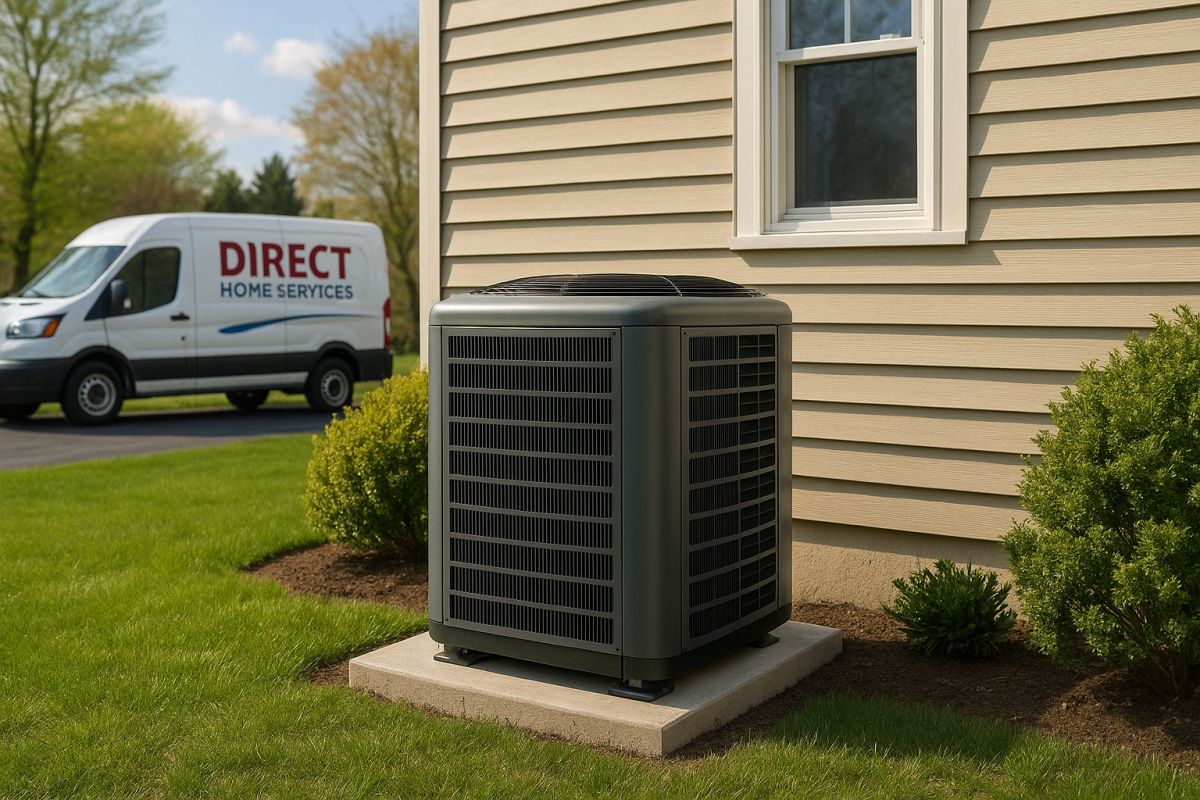
In a split-level off Powder Hill Road with decent ducts, a variable-speed ducted heat pump may be the best path. The equipment hides out of sight, uses existing returns, and delivers even air. In a lakeside cottage with tight rooms, ductless heads can target problem areas without gutting walls. Many Middlefield homes do well with a hybrid approach: a ducted air handler for the main floor and a single ductless head for a sunroom or garage conversion. A contractor who offers one brand and one layout for every home is not designing; they are selling inventory.
How winter performance actually works in Connecticut
Cold-climate heat pumps list a Heating Seasonal Performance Factor (HSPF2) and a rated capacity at 5°F or 17°F. The numbers matter. A system that holds 90 to 100 percent of its capacity at 5°F will keep up without relying on electric strip heat. Many units still need a small electric backup or an existing furnace as a dual-fuel safety net for rare deep freezes. The contractor should show a load vs. capacity chart for the home. If the design heat loss is 32,000 BTU/h at 7°F, the selected unit must deliver near that output at that temperature. Vague answers lead to frustration in February.
Defrost cycles are normal. Frost forms on the outdoor coil in humid cold. The system reverses briefly to melt it. Proper placement, clearances, and a raised stand prevent ice build-up and noisy defrost steam plumes against siding.
Price ranges and what drives them in Middlefield
Homeowners often ask, what does a fair install cost locally? For a single-zone ductless system, installed prices typically land between $4,500 and $8,500 depending on capacity, line set length, and electrical work. A whole-home ducted variable-speed system can range from $12,000 to $20,000 in our area, with duct repairs, attic work, and panel upgrades pushing the high end. Multi-zone ductless systems with three to five heads often run $10,000 to $18,000.
These numbers move with brand, capacity, existing duct condition, and incentives. In Connecticut, utility rebates and federal credits can offset a meaningful share. A transparent contractor will break out equipment, labor, electrical, permit costs, and any duct sealing or insulation improvements. Beware of a single lump sum with no scope detail; change orders often follow.
Permits, code, and utility rebates in Connecticut
Permits are not optional. A licensed contractor pulls the mechanical and electrical permits with Middlefield’s building department. Expect an inspection of the refrigerant lines, electrical disconnects, and condensate routing. Outdoor units need proper setbacks and a stable pad or stand.
Rebates in Connecticut change year to year. Current programs often support cold-climate equipment with higher incentives for moderate-income households. Federal tax credits under the Inflation Reduction Act can cover a portion of costs for qualifying systems. A capable contractor documents model numbers, AHRI ratings, and submits rebate paperwork. Homeowners should keep copies of the AHRI certificate and invoices for tax records. If a quote avoids this topic, that is a red flag.
Ductwork: the silent deal-maker
Many comfort issues trace back to ductwork, not the heat pump. Undersized returns starve air handlers. Leaky supply boots dump conditioned air into basements and attics. Long flexible runs kink and cut airflow. Before installing new equipment, a contractor should measure static pressure and calculate duct capacity. Upgrades might include adding a return in the primary bedroom, sealing joints with mastic, or replacing restrictive filter grilles with deeper media cabinets.
In a two-story colonial near Lake heat pump repair Beseck, a simple return addition to the second floor often smooths out a five-degree temperature split. That kind of fix costs a fraction of equipment and pays off every day.
Noise, placement, and neighbor awareness
Outdoor units deserve a plan. They need airflow, drain paths, and space for service. Corner placement beside a deck may seem tidy but can reflect sound back into the house or the neighbor’s yard. A contractor should discuss snow lines, prevailing winds, and clearances around shrubs. In Middlefield, raising the unit 12 to 18 inches above grade often keeps it free of drifting snow. Vibration pads and flexible line set connections reduce noise transfer into framing.
Indoor sound is about blower speed and duct design. Variable-speed systems usually run quietly. If a proposal leans on a smaller indoor coil and high blower speed to meet capacity, expect more noise. The contractor should explain the trade-offs.
How Direct Home Services approaches heat pump work in Middlefield
Direct Home Services focuses on right-sizing and clean installs backed by local support. The team spends time in attics and basements, measures static pressure, and shares the load calculation. Work in Middlefield often includes attic air sealing before or during install, since a tighter envelope allows a smaller, quieter system. The company sets outdoor units on galvanized stands with proper clearances and routes condensate safely, which matters in freeze-thaw cycles.
Homeowners who search heat pump services near me tend to want fast answers. Direct Home Services offers same-week assessments in Middlefield, Haddam, Durham, and Meriden. For many homes, the team can present two to three options: a best-performance cold-climate inverter, a balanced option with strong winter output, and a value path that still meets local needs. Each option lists capacity at 5°F, noise ratings, and the expected operating cost compared to oil, propane, or electric baseboard.
What a thorough home visit looks like
A practical first visit runs 60 to 90 minutes. The technician will:
- Review comfort goals and current pain points, including specific rooms and winter lows. Inspect the electrical panel, ductwork, filters, and outdoor clearances. Measure window sizes and check insulation levels in attics and basements. Take static pressure readings and temperature splits for baseline data. Discuss rebates, permits, and realistic install timelines.
After the visit, the homeowner should receive a clear proposal with model numbers, the AHRI certificate, scope of work, warranty terms, and any duct changes. A two-page quote that lacks this detail usually signals shortcuts.
Timelines, disruptions, and what to expect on install day
Most single-zone ductless installs take a day. Whole-home ducted systems usually take two to three days, with an extra day if ducts need work. The crew should protect floors, set up cordoned work areas, and keep paths clear. Expect brief power-off windows while the electrician sets breakers and disconnects. A quality team recovers refrigerant responsibly, pulls a deep vacuum to below 500 microns, and verifies that the system holds under standing pressure before releasing refrigerant. They then commission the system, confirm airflow, and set thermostat schedules.
Homeowners in Middlefield know winter can bring early sunsets and ice. Responsible crews plan around weather, schedule outdoor work earlier in the day, and use heated tents or tarps if a line set penetration must be sealed in the cold.
Maintenance that actually protects performance
Heat pumps run year-round, so maintenance is not a checkbox. Filters should be checked monthly and replaced as needed, especially in homes with pets or ongoing renovations. Outdoor coils need seasonal cleaning. The contractor should verify charge, check defrost settings, test crankcase heaters, and clean condensate paths. Many problems begin with a clogged drain pan or a failing outdoor fan capacitor. A maintenance plan that includes two visits per year catches these issues before they escalate.
For ductless systems, indoor heads collect fine dust on their coils. Professional cleaning restores efficiency and keeps indoor air fresh. Homeowners can wipe the outer vanes and rinse filters, but deep cleaning requires proper tools and care.
Red flags during quotes and conversations
Certain signals hint at trouble. A contractor who refuses to perform a load calculation and claims to know the right size from the driveway is guessing. A quote that pushes oversize equipment with the phrase “more is better” will likely cause short cycling. A price that is far lower than other bids often skips permits, sets the unit on a cheap pad, or omits electrical upgrades. On the other side, an expensive bid with generic descriptions and no data can be just as risky.
Look for honesty. A contractor who explains that defrost steam in January is normal and that a light hum at low speed at night can be expected is a contractor who manages real expectations. That honesty reduces surprises and improves satisfaction.
Energy sources and operating costs in CT
Operating costs depend on electricity rates and the system’s seasonal efficiency. Middlefield residents often compare against oil or propane. Heat pumps convert electricity into heat with a seasonal coefficient of performance around 2 to 3 in our climate, which means two to three units of heat for each unit of electricity. At typical CT electric rates, a cold-climate system still beats oil on cost most of the season, especially with good weatherization. On the coldest days, costs rise, which is why a well-matched system that holds capacity at low temperatures matters. A contractor should provide a simple annual operating cost estimate that compares energy sources using local rates.
Smart controls and zoning that make a difference
Thermostat strategy matters with inverter systems. Set-and-forget works best. Large temperature setbacks force long recovery runs and can reduce comfort in cold snaps. For multi-zone ductless, keeping doors open and setting heads to similar temperatures avoids zones fighting each other. For ducted systems, a quality smart thermostat that supports staging and heat pump lockout temperatures can trim strip heat use. The contractor should program initial settings and teach the homeowner how to adjust them.
Why local matters for service in Middlefield
A heat pump can run for 12 to 15 years with care. Over that span, parts will need replacement and firmware updates will roll out. A local team that knows Middlefield’s housing stock and has techs nearby can cut downtime. When a nor’easter hits, having a contractor within a few towns who answers the phone and has parts on the truck is worth more than a small initial discount.
Direct Home Services is built for that kind of support. The team schedules seasonal tune-ups, keeps records of model-specific issues, and stands behind labor warranties. That ongoing relationship is the difference between yearly frustration and a set-it-and-forget-it system.
How to choose with confidence
A strong choice blends data and gut feel. The contractor should measure, explain, and document. They should also listen. In Middlefield, many homeowners want quiet upstairs, steady winter heat, and reasonable summer dehumidification. If the proposal treats those goals as central and shows how the system meets them at 5°F and 90°F days, that contractor is probably a good fit.

Homeowners looking for heat pump services near me can schedule a no-pressure home visit with Direct Home Services. The team serves Middlefield, nearby neighborhoods, and surrounding towns, and can often provide multiple options with clear pricing the same week. Solid design, careful install, and dependable support turn a heat pump into a long-term win for comfort and cost.
Direct Home Services provides HVAC repair, replacement, and installation in Middlefield, CT. Our team serves homeowners across Hartford, Tolland, New Haven, and Middlesex counties with energy-efficient heating and cooling systems. We focus on reliable furnace service, air conditioning upgrades, and full HVAC replacements that improve comfort and lower energy use. As local specialists, we deliver dependable results and clear communication on every project. If you are searching for HVAC services near me in Middlefield or surrounding Connecticut towns, Direct Home Services is ready to help.
Direct Home Services
478 Main St
Middlefield,
CT
06455,
USA
Phone: (860) 339-6001
Website: https://directhomecanhelp.com/
Social Media: Facebook | Instagram
Map: Google Maps